

Space for Cold-Chain and Central-Kitchen Operations
Cold-chain storage and central kitchens have demanding space, power and access needs. Here's what to look for before signing for a unit.
Cold-chain logistics and central kitchens are two of the fastest-growing food-factory uses — and two of the most demanding on the base building. Getting the unit specification right up front avoids expensive workarounds later.
Power and structure for cold rooms
Blast freezers, chillers and cold rooms draw heavy, sustained power and add significant load. A unit needs three-phase provisioning and floor loading that comfortably carries refrigerated storage plus stored product — not a shell sized for light assembly.
Access and turnaround
Cold-chain operations live or die on loading turnaround. Direct vehicle access to the unit, dedicated loading bays and a layout that keeps cold and ambient flows separate all reduce the time product spends out of temperature control.
A building built for it
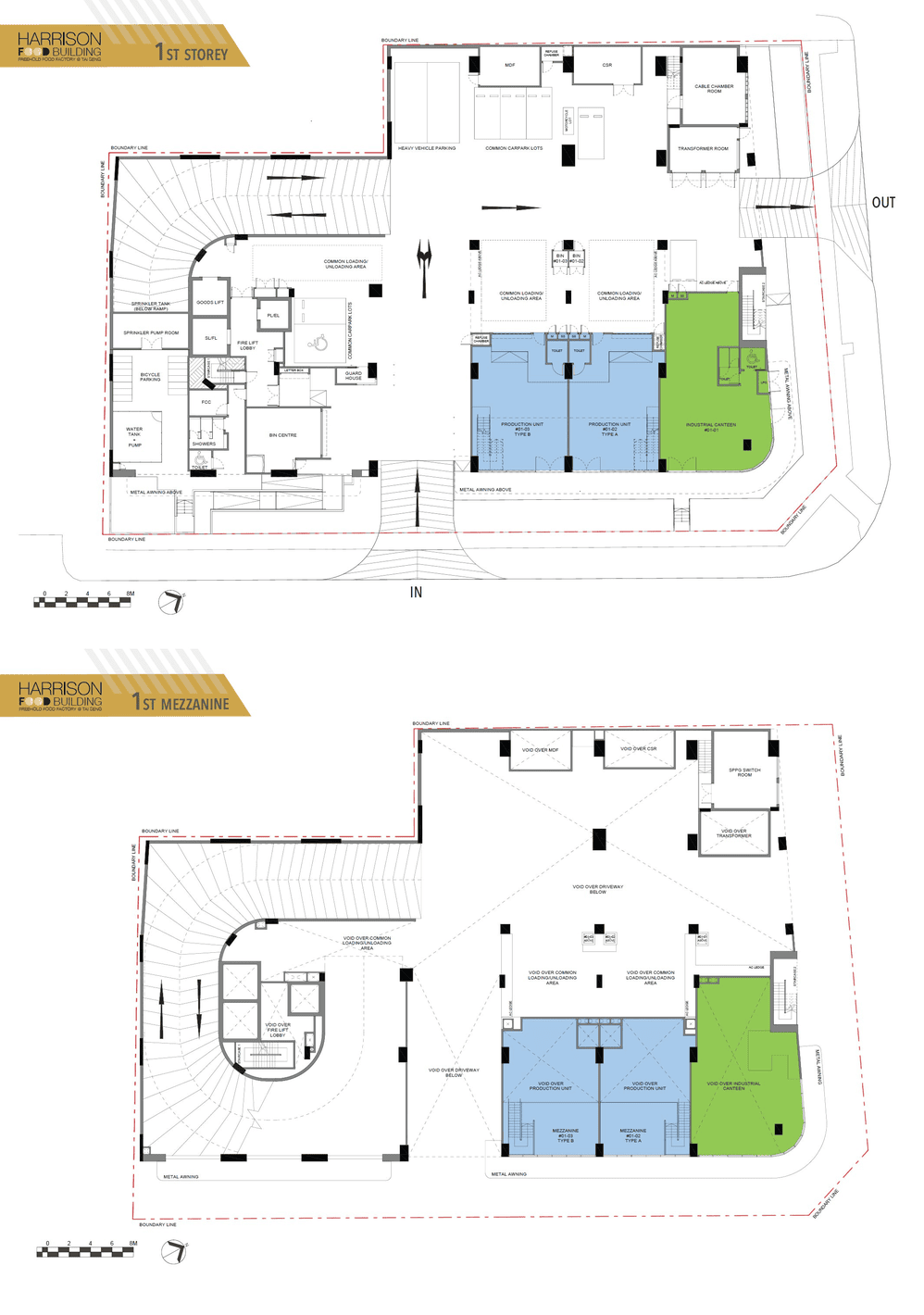
The freehold food factory at Tai Seng pairs a full vehicular ramp to every floor with loading bays at Level 1, so lorries reach the unit door directly. Structural loading, ceiling heights and power all accommodate cold rooms — see the project details and walk the unit layouts.