

Freehold vs Leasehold: What Tenure Means for a Food Factory
Most food-factory stock in Singapore sits on 30 or 60-year JTC leasehold. Here's how freehold tenure changes the maths for owner-occupiers and investors.
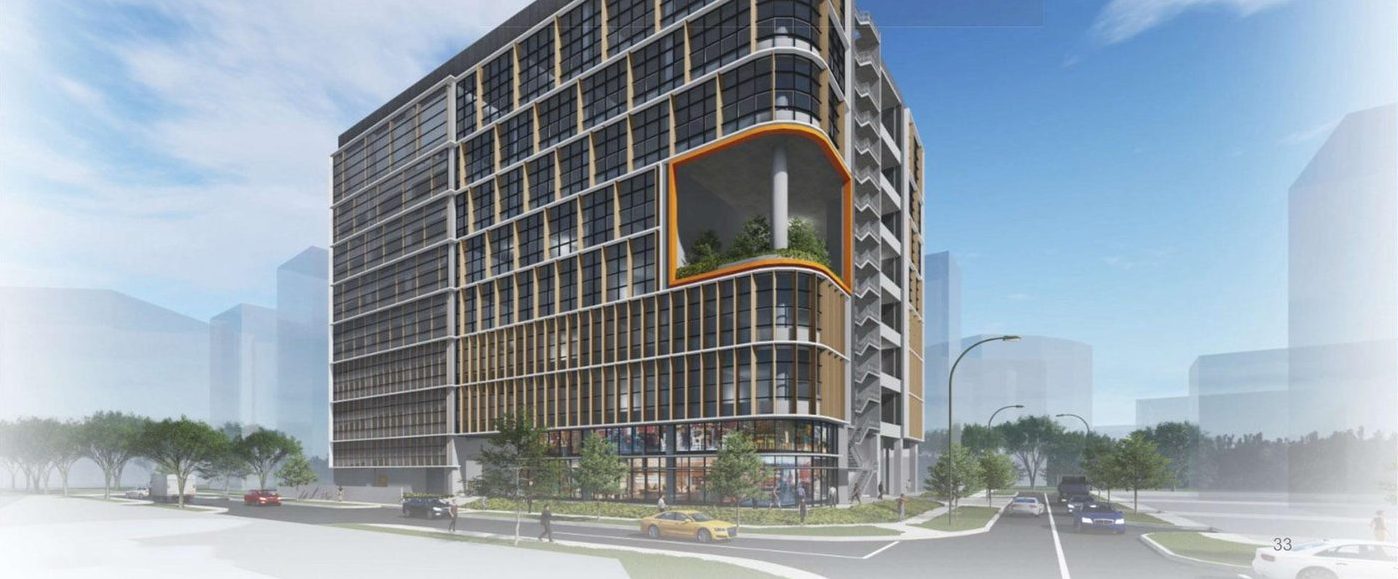
Tenure is the single biggest structural difference between food-factory options in Singapore, yet it is often the last thing buyers weigh. The vast majority of multi-user food-factory space is built on JTC industrial land with 30 or 60-year leases. A small number of developments — including Harrison Food Building — are freehold.
Lease decay and the payback problem
A food factory is a heavy fit-out: cold rooms, exhaust systems, grease traps, three-phase power and SFA certifications all represent multi-decade capital expenditure. On a leasehold unit, that investment runs against a shrinking lease — and the closer a building gets to lease end, the harder financing and resale become. Freehold removes the decay entirely.
Financing and resale
Banks size industrial loans partly on remaining tenure, so a long or perpetual tenure tends to support more stable loan-to-value over the hold. On exit, a freehold title appeals to a wider buyer pool because the next owner inherits no lease clock.
Where this matters at Tai Seng
Central-region freehold industrial land is genuinely scarce. The freehold food factory at 7 & 9 Harrison Road is one of the few new-build options in the cluster — review the full specification on the project details page and current indicative pricing.